
Build a coherent life that can carry real pressure.
Clear thinking. Deep focus. Steady energy. Disciplined output. Coherent living. All systems. One direction.
A fractured age needs coherent people.
Most people do not fail because they lack desire. They fail because the system carrying their desire is fragmented: body against mind, ambition against recovery, standards against self-worth, work against meaning.
Three frameworks. One integrated system.
Understand the self, organize the life, then scale into mastery and impact.
Self Matrix
Clarity of identity. Emotional regulation. Mental models. Self-command.
CORE Compass
Values alignment. Purpose clarity. Decision frameworks. Path integrity.
Excellence Nexus
Systems and habits. Energy management. Disciplined output. Long-term results.
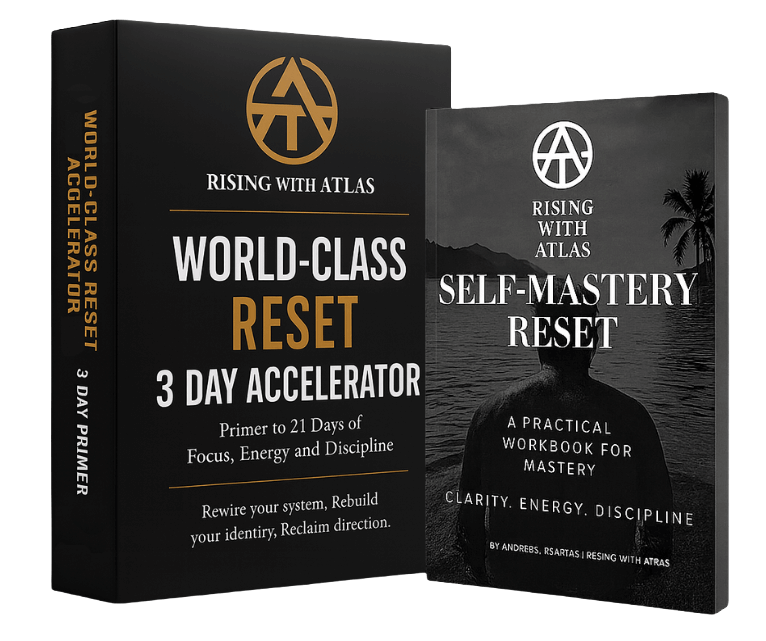
World-Class Reset 3-Day Accelerator + Workbook
Your first step to clarity, energy and discipline.
A powerful 3-day reset to rewire your system and reclaim direction, plus the Self-Mastery Reset workbook to deepen the work.
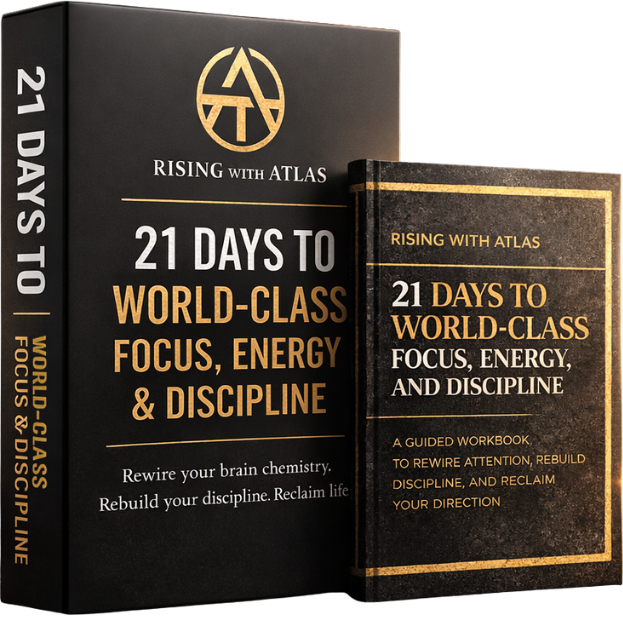
21 Days to World-Class Focus, Energy & Discipline
Rewire your attention. Rebuild your discipline. Become the person who follows through.
A 21-day guided reset to upgrade focus, energy and daily execution. Built for serious people who are done starting over.
Start where the pressure is showing up.
The infrastructure is connected: quick win, guided orientation, paid reset, and the deeper library.
Atlas Focus Kit
Three fast-acting tools for focus, energy, and discipline.
Start Here
The guided bridge from short-form discovery into the deeper system.
21-Day Reset
A daily operating reset for focus, energy and discipline.
Newsletter Essays
Long-form essays and protocols on pressure and performance.
Science guided by purpose. Practice shaped into systems.
Evidence-informed domains that explain how people adapt, regulate, think, act, and enter deeper states of performance.
Neuroplasticity
Repeated practice, environments and standards shape the brain and behaviour over time.
Allostasis
Performance improves when pressure, recovery, sleep and energy are designed together.
Body-state cognition
Clarity, focus and emotion are influenced by physiology, behaviour and action.
Flow science
Peak states become more accessible when challenge, feedback and state are deliberately structured.
Every domain strengthens or weakens the whole.
The Six Primes Library organizes the work so every topic belongs inside a complete life architecture.
Energy & recovery
Nutrition, movement, sleep and biological anchors.
Mind PrimeFocus & clarity
Attention, flow, cognition and deep work.
Heart PrimeEmotion & connection
Resilience, emotional intelligence and regulation.
Soul PrimeMeaning & purpose
Values, Ikigai, spiritual alignment and direction.
Wealth PrimeFreedom & stewardship
Resources, time, financial mastery and capacity.
Impact PrimeLeadership & legacy
Influence, contribution, service and imprint.
Integrated systems for body, mind, behaviour and purpose.
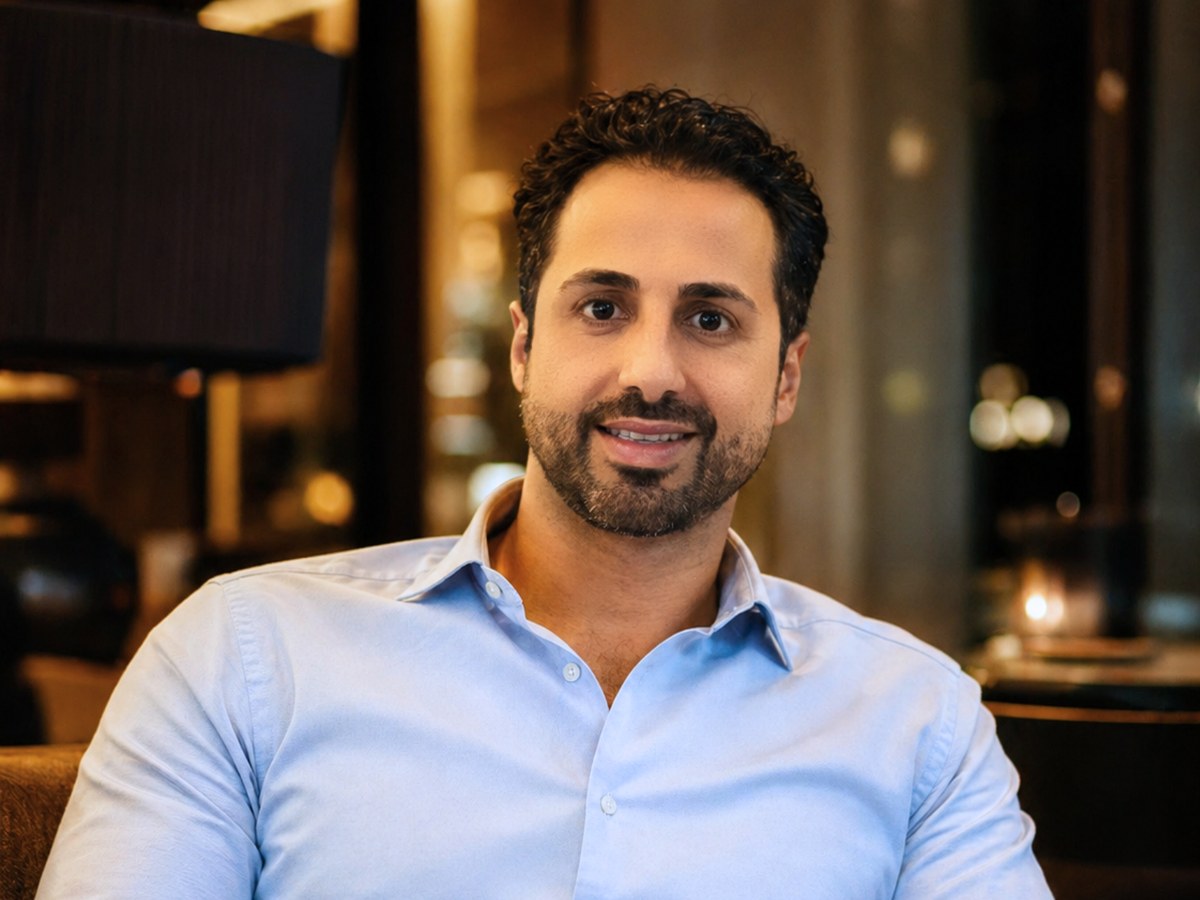
Andreas Tsiartas translates complexity into practical systems for coherent living, focus, energy, discipline and results.
MSc Clinical Nutrition. CISSN.
Clinical nutrition and sports nutrition training applied to energy, recovery and performance foundations.
Unlock Your Brain Chemistry
A tactical guide to neurochemicals that shape focus, motivation, mood and clarity.
Read the public articles.
Explore practical education across the Self Matrix, CORE Compass and Excellence Nexus.
The important doors now point to one coherent system.
This page is an internal hub for the brand, frameworks, library, research, newsletter and paid reset.
Primary brand entry point.
Visit → Systematic ReviewResearch infrastructure and academic foundation.
View research → Findings PosterVisual research communication connected to the platform.
Open poster → Study ProtocolProtocol page and PROSPERO-linked research direction.
View protocol → ContactDirect contact and collaboration route.
Connect → 21-Day ResetThe first paid implementation path.
Start →Clear answers for serious people.
What is Rising with Atlas?
Rising with Atlas is a life architecture system for ambitious people under pressure. It connects body, mind, behaviour, environment, recovery, purpose and impact into one coherent operating model.
Is this motivation or self-help?
No. Motivation may open the door, but it cannot carry the house. Rising with Atlas is built around frameworks, practical protocols, behavioural architecture and integrated self-cultivation.
Where should I start?
Start with the free Atlas Focus Kit if you want an immediate win. Use the Start Here page if you are new. Enter the 21-Day Self-Mastery Reset if you want a structured paid implementation path.
How do the three frameworks relate?
The Self Matrix helps you understand the self. The CORE Compass organizes life for daily balance and fulfilment. The Excellence Nexus scales that coherence into mastery, contribution and legacy.
Stop living in fragments. Build the system your ambition demands.
Take the first step into the Rising with Atlas ecosystem. Start with a quick win, orient through the deeper map, or enter the 21-Day Reset if you are ready to rebuild your daily operating system.