


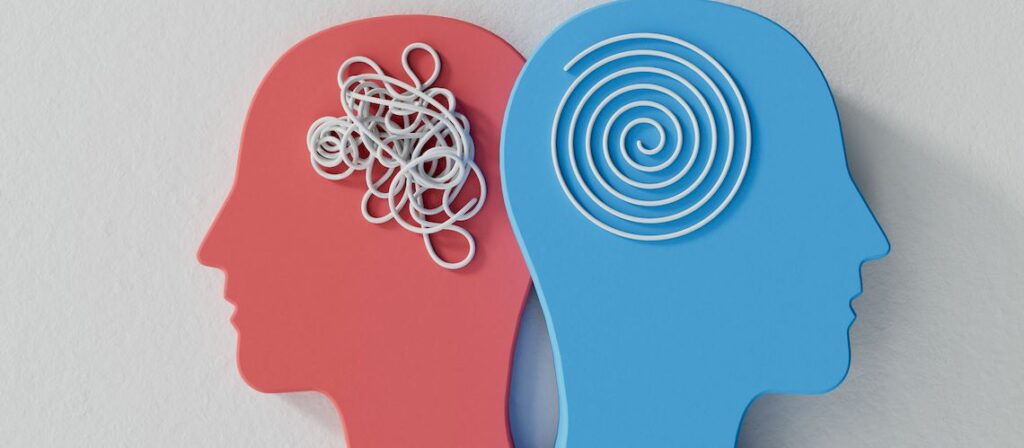
The placebo and nocebo effects highlight the profound influence of the mind on the body, showcasing how beliefs and expectations can shape health outcomes. These effects align closely with the CORE Compass Framework, which emphasizes four dimensions of well-being: Curiosity and Cognitive Growth, Operational and Physical Vitality, Resilience and Emotional Equilibrium, and Essence and Spiritual Fulfillment. By understanding these psychological phenomena, individuals can adopt strategies to enhance their performance, emotional stability, and overall fulfillment.
This article explores the mechanisms, evidence, philosophical underpinnings, and practical applications of the placebo and nocebo effects within the CORE Compass Framework.
Mechanisms and Evidence
Understanding the neurobiological and psychological mechanisms of placebo and nocebo effects is essential to appreciating their practical implications.
The Placebo Effect
The placebo effect occurs when a beneficial health outcome is driven by positive beliefs and expectations about a treatment, even when the treatment lacks active therapeutic ingredients. This effect is not merely psychological but is grounded in measurable physiological changes.
- Neurobiological Pathways: Studies have demonstrated that placebo responses activate key brain regions associated with pain modulation (e.g., the prefrontal cortex and anterior cingulate cortex), emotional regulation, and reward processing. These responses often mimic the effects of pharmacological interventions (Benedetti, 2014; Carlino et al., 2014).
- Physical Performance: Positive expectations have been shown to enhance physical endurance, reduce the perception of pain, and optimize athletic performance, underscoring the role of psychological conditioning in physical vitality (Carlino et al., 2014).
The Nocebo Effect
Conversely, the nocebo effect occurs when negative expectations lead to adverse outcomes, even in the absence of actual harm. This phenomenon demonstrates how detrimental beliefs can undermine health and performance.
- Stress and Impairment: Nocebo-induced negative expectations elevate cortisol levels, impair physical performance, and exacerbate symptoms such as pain and fatigue. These responses underscore the real physiological consequences of negative beliefs (Benedetti et al., 2006; Frisaldi et al., 2015).
- Neurobiological Changes: Nocebo responses involve brain regions such as the hippocampus and insula, which mediate heightened sensitivity to pain and stress. These findings highlight the tangible impact of negative psychological states on the body (Frisaldi et al., 2015; Kong & Benedetti, 2014).
Philosophical Perspectives
The mind-body connection underlying placebo and nocebo effects resonates deeply with philosophical notions of human flourishing. Aristotle’s concept of eudaimonia—the harmonious integration of physical and mental states—emphasizes that well-being arises from balance and purposeful living.
Modern research into expectation-driven health outcomes complements this ancient wisdom, revealing how beliefs shape physiological realities. This intersection underscores the importance of cultivating positive mental states not only for individual well-being but also as a pathway to achieving excellence (Harrington, 2000; Evans, 2004).
Applications in the CORE Compass Framework
Integrating the placebo and nocebo effects into the CORE Compass Framework provides practical strategies for enhancing cognitive, physical, emotional, and spiritual dimensions of well-being.
1. Curiosity and Cognitive Growth
- Activities: Encourage intellectual exploration by investigating the mechanisms and evidence of placebo and nocebo effects.
- Purpose: Foster cognitive growth by understanding how beliefs and expectations influence neural pathways and health outcomes.
- Example: Research on the neural underpinnings of reward and pain modulation (Benedetti, 2014; Evans, 2004) cultivates critical thinking and expands perspectives on the mind-body connection.
2. Operational and Physical Vitality
- Activities: Apply knowledge of these effects to optimize physical performance and health.
- Purpose: Recognize the power of belief-driven mechanisms in enhancing physical capabilities and mitigating performance-hindering negative expectations.
- Example: Positive expectations have been shown to improve endurance and reduce perceived effort in physical activities, while nocebo effects can lead to fatigue and diminished performance, even in the absence of physical strain (Carlino et al., 2014; Benedetti, 2014).
3. Resilience and Emotional Equilibrium
- Activities: Leverage the placebo effect to enhance emotional stability and resilience while mitigating nocebo-driven stress responses.
- Purpose: Build emotional equilibrium by cultivating optimism and minimizing the influence of negative expectations.
- Example: Mindfulness practices, combined with positive reinforcement, counteract nocebo-related cortisol spikes, promoting a stable emotional and physiological state (Benedetti et al., 2006; Frisaldi et al., 2015).
4. Essence and Spiritual Fulfillment
- Activities: Foster a deeper sense of harmony by applying insights from placebo and nocebo research to align mental and physical states.
- Purpose: Use belief systems to cultivate purpose and holistic well-being.
- Example: Reflective practices inspired by the role of beliefs in health outcomes (Specter, 2011) encourage individuals to align their mental and physical health with their broader values and aspirations.
Case Studies and Practical Strategies
Placebo Effect
- Example: In clinical settings, placebo analgesia has demonstrated significant pain relief driven solely by belief in treatment efficacy. These findings reveal the practical potential of positive expectations to improve mobility and reduce chronic pain (Benedetti, 2014).
Nocebo Effect
- Example: Athletes primed with negative expectations, such as anticipating fatigue or injury, often underperform, highlighting the detrimental effects of nocebo responses on operational vitality (Carlino et al., 2014).
Practical Strategies
- In Clinical Practice:
- Enhance positive expectations by framing treatment outcomes optimistically and reinforcing confidence in therapeutic interventions (Benedetti, 2014; Specter, 2011).
- Minimize nocebo effects by avoiding overly detailed discussions of potential side effects, which can induce unnecessary stress (Benedetti et al., 2007; Justman, 2015).
- In Personal Development:
- Maximize potential through mental strategies that enhance physical endurance and reduce perceived difficulty, leveraging placebo mechanisms (Carlino et al., 2014; Vance, 2016).
- Counteract negative influences using cognitive-behavioral approaches and mindfulness techniques to reduce the impact of nocebo responses (Frisaldi et al., 2015).
Conclusion
The placebo and nocebo effects illustrate the profound influence of the mind on physical and emotional well-being. By integrating these insights into the CORE Compass Framework, individuals can foster curiosity, optimize vitality, strengthen resilience, and achieve spiritual fulfillment. Understanding the power of beliefs offers actionable strategies to enhance performance, mitigate stress, and promote holistic health, empowering individuals to achieve balance and excellence.
References
Benedetti, F., Lanotte, M., Lopiano, L. & Colloca, L. (2006) The biochemical and neuroendocrine bases of the hyperalgesic nocebo effect. The Journal of Neuroscience, 26(46), pp. 12014–12022.
Benedetti, F., Pollo, A., Lopiano, L. & Lanotte, M. (2007) When words are painful: unraveling the mechanisms of the nocebo effect. Neuroscience, 147(2), pp. 260–271.
Benedetti, F. (2014) Placebo effects: from the neurobiological paradigm to translational implications. Neuron, 84(3), pp. 623–637.
Carlino, E., Vase, L., & Benedetti, F. (2014) The effects of placebos and nocebos on physical performance. In: F. Benedetti, P. Enck, E. Frisaldi & M.S. Schedlowski (eds.) Placebo. Berlin: Springer, pp. 149–157.
Evans, D. (2004) Placebo: mind over matter in modern medicine. London: HarperCollins.
Frisaldi, E., Piedimonte, A. & Benedetti, F. (2015) Placebo and nocebo effects: a complex interplay between psychological factors and neurochemical networks. The American Journal of Clinical Hypnosis, 57(3), pp. 267–284.
Harrington, A. (ed.) (2000) The placebo effect: an interdisciplinary exploration. Cambridge, MA: Harvard University Press.
Justman, S. (2015) The nocebo effect: overdiagnosis and its costs. New York: Palgrave Macmillan.
Kong, J. & Benedetti, F. (2014) Placebo and nocebo effects: an introduction to psychological and biological mechanisms. In: F. Benedetti, P. Enck, E. Frisaldi & M.S. Schedlowski (eds.) Placebo. Berlin: Springer, pp. 3–15.
Specter, M. (2011) The power of nothing. The New Yorker.
Vance, E. (2016) Suggestible you: the curious science of your brain’s ability to deceive, transform, and heal. Washington, DC: National Geographic.

