


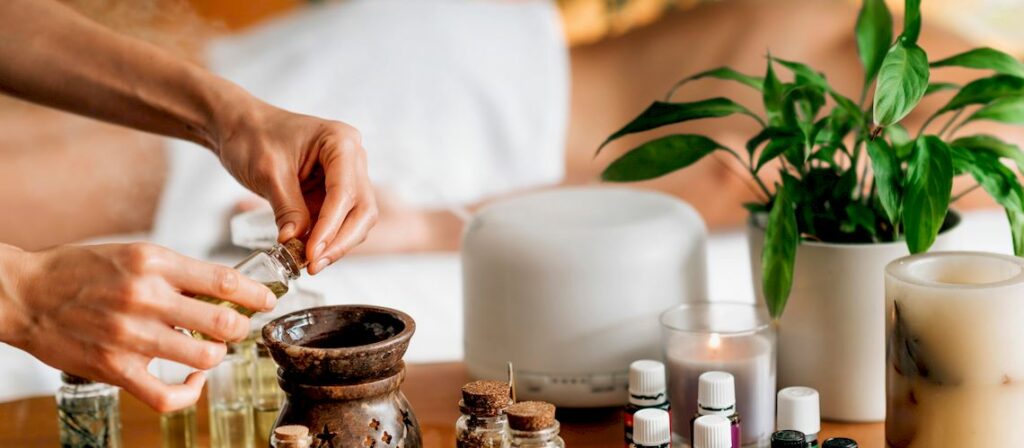
Within the CORE Compass Framework, aromatherapy is a powerful tool for achieving Operational and Physical Vitality, Curiosity and Cognitive Growth, Resilience and Emotional Equilibrium, and overall well-being. Aromatherapy, which involves the use of natural plant extracts known as essential oils, promotes health by enhancing the physical, emotional, and spiritual dimensions of wellness. By integrating aromatherapy into your daily routine, you can harness the therapeutic properties of essential oils to support and enhance your journey through the CORE Compass Framework.
Application in the CORE Compass
- Operational and Physical Vitality: Aromatherapy is a key component in maintaining Operational and Physical Vitality. Essential oils such as eucalyptus and peppermint are known for their ability to relieve pain, reduce inflammation, and improve respiratory function. These effects support physical health by promoting faster recovery from illness, reducing chronic pain, and enhancing overall vitality (Buckle, 2015). For example, peppermint oil has been shown to alleviate symptoms of tension headaches, contributing to a more active and pain-free lifestyle (Göbel et al., 1994).
- Curiosity and Cognitive Growth: Aromatherapy also plays a role in fostering Curiosity and Cognitive Growth. The study and practice of aromatherapy encourage a deeper understanding of the interactions between natural compounds and human physiology. Essential oils like rosemary have been associated with improved memory and cognitive function, which can enhance learning and intellectual curiosity (Moss et al., 2003). Exploring the science behind aromatherapy can stimulate intellectual growth and a greater appreciation for the natural world.
- Resilience and Emotional Equilibrium: The use of aromatherapy is particularly effective in achieving Resilience and Emotional Equilibrium. Essential oils such as lavender and chamomile are widely recognized for their calming effects, helping to reduce stress and anxiety. Regular use of these oils can promote emotional stability, improve mood, and enhance resilience in the face of life’s challenges (Mousavi et al., 2013). For instance, inhaling lavender oil has been shown to lower cortisol levels, the body’s primary stress hormone, thereby contributing to emotional balance (Atsumi & Tonosaki, 2007).
- Spiritual Harmony: Aromatherapy can also contribute to Spiritual Harmony by creating an environment conducive to relaxation, meditation, and spiritual practices. Essential oils like frankincense and sandalwood have been traditionally used in spiritual rituals and are believed to enhance spiritual awareness and connection. By integrating these oils into your spiritual practice, you can deepen your sense of inner peace and spiritual well-being (Rhind, 2013).
Benefits within the CORE Compass
The incorporation of aromatherapy within the CORE Compass Framework offers several significant benefits:
- Enhanced Physical Vitality: Essential oils support physical vitality by promoting healing, reducing inflammation, and improving respiratory function, making them integral to maintaining operational and physical health (Buckle, 2015).
- Improved Cognitive Function: The cognitive benefits of certain essential oils, such as rosemary, contribute to improved memory, focus, and mental clarity, which are essential for curiosity and cognitive growth (Moss et al., 2003).
- Greater Emotional Stability: The calming effects of essential oils like lavender and chamomile help to manage stress and anxiety, leading to greater emotional resilience and equilibrium (Mousavi et al., 2013).
- Spiritual Growth: Aromatherapy enhances spiritual practices by promoting relaxation and spiritual connection, contributing to overall spiritual harmony (Rhind, 2013).
How to Integrate Aromatherapy in the CORE Compass
- Education: Start by learning about the different essential oils and their benefits. Understanding the therapeutic properties of oils such as lavender for relaxation or peppermint for pain relief will enable you to use them effectively within the CORE Compass Framework (Buckle, 2015).
- Implementation: Incorporate aromatherapy into your daily routine to support physical, cognitive, and emotional well-being. This could include using a diffuser with essential oils in your workspace for cognitive enhancement or applying diluted oils topically for pain relief and relaxation (Tisserand & Young, 2014).
- Monitoring: Track the effects of aromatherapy on your health and well-being. Pay attention to how different oils impact your physical vitality, emotional equilibrium, and cognitive function. Adjust your usage based on these observations to optimize benefits within the CORE Compass Framework (Rhind, 2013).
Conclusion Aromatherapy is a versatile and effective tool within the CORE Compass Framework, supporting the pursuit of Operational and Physical Vitality, Curiosity and Cognitive Growth, Resilience and Emotional Equilibrium, and Spiritual Harmony. By incorporating essential oils into your daily wellness routine, you can enhance your physical health, sharpen your mind, stabilize your emotions, and deepen your spiritual practice. As you continue to explore and utilize aromatherapy, you will find it to be an invaluable resource in your journey towards holistic well-being.
References
Atsumi, T., & Tonosaki, K. (2007). Smelling lavender and rosemary increases free radical scavenging activity and decreases cortisol level in saliva. Psychiatry Research, 150(1), 89-96.
Buckle, J. (2015). Clinical Aromatherapy: Essential Oils in Healthcare. Elsevier Health Sciences.
Göbel, H., Fresenius, J., Heinze, A., Coelho Ferreira, R., & Hefter, H. (1994). Effect of peppermint and eucalyptus oil preparations on neurophysiological and experimental algesimetric headache parameters. Cephalalgia, 14(3), 228-234.
Moss, M., Cook, J., Wesnes, K., & Duckett, P. (2003). Aromas of rosemary and lavender essential oils differentially affect cognition and mood in healthy adults. International Journal of Neuroscience, 113(1), 15-38.
Mousavi, F., Rahemi, Z., Momeni, A., & Sadeghi, T. (2013). Effect of inhalation aromatherapy with lavender essence on pain associated with intravenous catheter insertion in preschool children: a quasi-experimental study. Complementary Therapies in Clinical Practice, 19(4), 193-196.
Rhind, J. P. (2013). Essential Oils: A Handbook for Aromatherapy Practice. Singing Dragon.
Tisserand, R., & Young, R. (2014). Essential Oil Safety: A Guide for Health Care Professionals. Elsevier Health Sciences.

