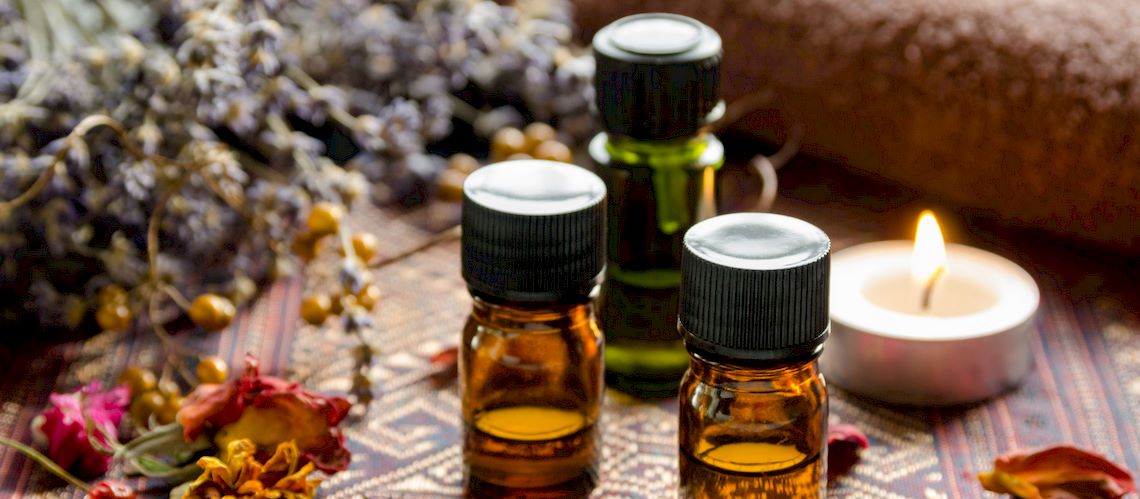
Aromatherapy is a holistic healing treatment that uses natural plant extracts to promote health and well-being. Often referred to as essential oil therapy, it involves the use of aromatic essential oils to improve the health of the body, mind, and spirit. This therapeutic practice harnesses the power of essential oils, which are believed to interact with the brain and nervous system to influence mood and health.1Buckle, J. (2015). Clinical Aromatherapy: Essential Oils in Healthcare. Elsevier Health Sciences.
Definition
Aromatherapy involves the use of essential oils extracted from flowers, herbs, trees, and other plants to enhance physical and emotional health. These oils can be inhaled, applied topically, or used in diffusers to create a therapeutic environment. The volatile compounds in essential oils interact with the olfactory system, and some are absorbed through the skin, exerting a range of physiological effects.2Lis-Balchin, M. (Ed.). (2006). Aromatherapy Science: A Guide for Healthcare Professionals. Pharmaceutical Press.
History and Origins
Aromatherapy dates back thousands of years to ancient civilizations such as Egypt, China, and India. These cultures used aromatic plants in healing practices, religious ceremonies, and personal care. In Egypt, for example, essential oils were used in the embalming process and for treating ailments.3Jones, R. (2016). Egyptian Medicine. Shire Publications. Traditional Chinese medicine has long employed aromatic herbs for their therapeutic properties, while Ayurvedic practices in India have integrated aromatic oils for holistic healing for over 3,000 years.4Rhind, J. P. (2013). Essential Oils: A Handbook for Aromatherapy Practice. Singing Dragon. The modern practice of aromatherapy began in the early 20th century with the work of French chemist René-Maurice Gattefossé, who is credited with coining the term “aromatherapy” after discovering the healing properties of lavender oil on burns.5Gattefossé, R. M. (1993). Gattefossé’s Aromatherapy. C.W. Daniel Company.
Principles and Concepts
- Essential Oils: Essential oils are volatile compounds extracted from plants that contain the essence of the plant’s fragrance and therapeutic properties. Each essential oil has a unique chemical composition that determines its scent, absorption rate, and effects on the body.6Buckle, J. (2015). Clinical Aromatherapy: Essential Oils in Healthcare. Elsevier Health Sciences.
- Inhalation and Topical Application: Essential oils can be used in various ways, primarily through inhalation and topical application. Inhalation allows the aromatic molecules to be absorbed into the bloodstream via the lungs, while topical application enables the oils to penetrate the skin and interact with the body’s cells.7Lis-Balchin, M. (Ed.). (2006). Aromatherapy Science: A Guide for Healthcare Professionals. Pharmaceutical Press.
- Holistic Healing: Aromatherapy is grounded in the concept of holistic healing, addressing the physical, emotional, and spiritual aspects of health. By using aromatic compounds, aromatherapy seeks to restore balance and harmony within the body and mind.8Rhind, J. P. (2013). Essential Oils: A Handbook for Aromatherapy Practice. Singing Dragon.
Benefits
Aromatherapy offers numerous scientifically supported health benefits, including:
- Reduction in Stress and Anxiety: Aromatherapy has been shown to reduce stress and anxiety. For example, studies have demonstrated that lavender oil can significantly lower anxiety levels in patients undergoing medical procedures.9Mousavi, F., Rahemi, Z., Momeni, A., & Sadeghi, T. (2013). Effect of inhalation aromatherapy with lavender essence on pain associated with intravenous catheter insertion in preschool children: a quasi-experimental study. Complementary Therapies in Clinical Practice, 19(4), 193-196.
- Relief from Headaches and Migraines: Essential oils like peppermint and eucalyptus have been found to provide relief from tension headaches and migraines due to their analgesic and anti-inflammatory properties.10Göbel, H., Fresenius, J., Heinze, A., Coelho Ferreira, R., & Hefter, H. (1994). Effect of peppermint and eucalyptus oil preparations on neurophysiological and experimental algesimetric headache parameters. Cephalalgia, 14(3), 228-234.
- Improved Sleep Quality: Aromatherapy, particularly with lavender oil, has been shown to improve sleep quality. A systematic review found that lavender oil significantly enhances sleep quality in individuals with sleep disorders.11Hwang, E., & Shin, S. (2015). The effects of aromatherapy on sleep improvement: A systematic literature review and meta-analysis. Journal of Alternative and Complementary Medicine, 21(2), 61-68.
- Enhanced Mood and Relaxation: The use of essential oils like citrus and lavender has been linked to improved mood and relaxation, with studies indicating their effectiveness in reducing symptoms of depression and enhancing overall emotional well-being.12Atsumi, T., & Tonosaki, K. (2007). Smelling lavender and rosemary increases free radical scavenging activity and decreases cortisol level in saliva. Psychiatry Research, 150(1), 89-96.
- Boosted Immune System: Certain essential oils, such as tea tree oil, have antimicrobial properties that can help boost the immune system and protect against infections.13Carson, C. F., & Riley, T. V. (2003). Antimicrobial activity of the major components of the essential oil of Melaleuca alternifolia. Journal of Applied Microbiology, 95(4), 853-860.
Applications
Aromatherapy can be applied to address various conditions, such as:
- Stress and Anxiety: Essential oils like lavender and chamomile are commonly used to alleviate stress and anxiety by promoting relaxation and reducing cortisol levels.14Mousavi, F., Rahemi, Z., Momeni, A., & Sadeghi, T. (2013). Effect of inhalation aromatherapy with lavender essence on pain associated with intravenous catheter insertion in preschool children: a quasi-experimental study. Complementary Therapies in Clinical Practice, 19(4), 193-196.
- Insomnia and Sleep Disturbances: Lavender and valerian essential oils are frequently used in treating insomnia and sleep disturbances due to their sedative effects.15Hwang, E., & Shin, S. (2015). The effects of aromatherapy on sleep improvement: A systematic literature review and meta-analysis. Journal of Alternative and Complementary Medicine, 21(2), 61-68.
- Chronic Pain and Inflammation: Peppermint and eucalyptus oils are used for their analgesic and anti-inflammatory properties, helping to reduce pain and inflammation in conditions like arthritis.16Göbel, H., Fresenius, J., Heinze, A., Coelho Ferreira, R., & Hefter, H. (1994). Effect of peppermint and eucalyptus oil preparations on neurophysiological and experimental algesimetric headache parameters. Cephalalgia, 14(3), 228-234.
- Respiratory Issues: Eucalyptus and peppermint oils are effective in treating respiratory issues such as asthma and bronchitis by acting as decongestants and bronchodilators.17Sadlon, A. E., & Lamson, D. W. (2010). Immune-modifying and antimicrobial effects of Eucalyptus oil and simple inhalation devices. Alternative Medicine Review, 15(1), 33-47.
- Digestive Problems: Essential oils like ginger and peppermint can help alleviate digestive issues such as nausea, bloating, and indigestion.18Pittler, M. H., & Ernst, E. (1998). Peppermint oil for irritable bowel syndrome: a critical review and metaanalysis. American Journal of Gastroenterology, 93(7), 1131-1135.
Scientific Evidence
A growing body of research supports the efficacy of aromatherapy in various applications. For example, a study published in the Journal of Alternative and Complementary Medicine found significant reductions in anxiety and improvements in sleep quality with the use of lavender oil in patients with coronary artery disease.19Mousavi, F., Rahemi, Z., Momeni, A., & Sadeghi, T. (2013). Effect of inhalation aromatherapy with lavender essence on pain associated with intravenous catheter insertion in preschool children: a quasi-experimental study. Complementary Therapies in Clinical Practice, 19(4), 193-196. Additionally, studies have highlighted the anti-inflammatory and analgesic properties of essential oils like peppermint and eucalyptus, making them effective in managing pain and inflammation.20Göbel, H., Fresenius, J., Heinze, A., Coelho Ferreira, R., & Hefter, H. (1994). Effect of peppermint and eucalyptus oil preparations on neurophysiological and experimental algesimetric headache parameters. Cephalalgia, 14(3), 228-234.; Sadlon, A. E., & Lamson, D. W. (2010). Immune-modifying and antimicrobial effects of Eucalyptus oil and simple inhalation devices. Alternative Medicine Review, 15(1), 33-47.
How to Get Started
- Choose Essential Oils: Select oils based on your health needs and preferences. For instance, lavender is often chosen for relaxation, while peppermint is favored for pain relief and digestive support.
- Methods of Use: Decide on the method of use, whether inhalation, topical application, or diffusion. Inhalation is generally recommended for mood and respiratory benefits, while topical application is preferred for localized pain and skin conditions.21Buckle, J. (2015). Clinical Aromatherapy: Essential Oils in Healthcare. Elsevier Health Sciences.
- Safety Precautions: Follow guidelines for dilution and usage to avoid skin irritation or allergic reactions. It is important to use carrier oils for dilution and to perform a patch test before applying essential oils to large areas of the skin.22Tisserand, R., & Young, R. (2014). Essential Oil Safety: A Guide for Health Care Professionals. Elsevier Health Sciences.
- Regular Practice: Incorporate aromatherapy into your daily routine for consistent benefits. Regular use can help maintain the therapeutic effects and support overall well-being.23Rhind, J. P. (2013). Essential Oils: A Handbook for Aromatherapy Practice. Singing Dragon.
Free Starter Kit
Get the Atlas Starter Kit
Three fast-acting tools to boost focus, energy, and discipline in the next 72 hours.
Case Studies or Testimonials
Individuals using aromatherapy have reported significant improvements in their physical and emotional well-being. For example, people suffering from chronic stress have found relief and relaxation through regular use of essential oils like lavender and chamomile. Others have experienced better sleep and reduced pain, particularly those with conditions like insomnia and arthritis.24Hwang, E., & Shin, S. (2015). The effects of aromatherapy on sleep improvement: A systematic literature review and meta-analysis. Journal of Alternative and Complementary Medicine, 21(2), 61-68.; Göbel, H., Fresenius, J., Heinze, A., Coelho Ferreira, R., & Hefter, H. (1994). Effect of peppermint and eucalyptus oil preparations on neurophysiological and experimental algesimetric headache parameters. Cephalalgia, 14(3), 228-234.
Conclusion
Aromatherapy is a versatile and effective treatment option for enhancing physical, emotional, and spiritual health. By integrating essential oils into your wellness routine, you can experience profound benefits for both body and mind. As research continues to validate the therapeutic potential of aromatherapy, its applications are likely to expand, offering new avenues for holistic health and well-being.
Free Starter Kit
Get the Atlas Starter Kit