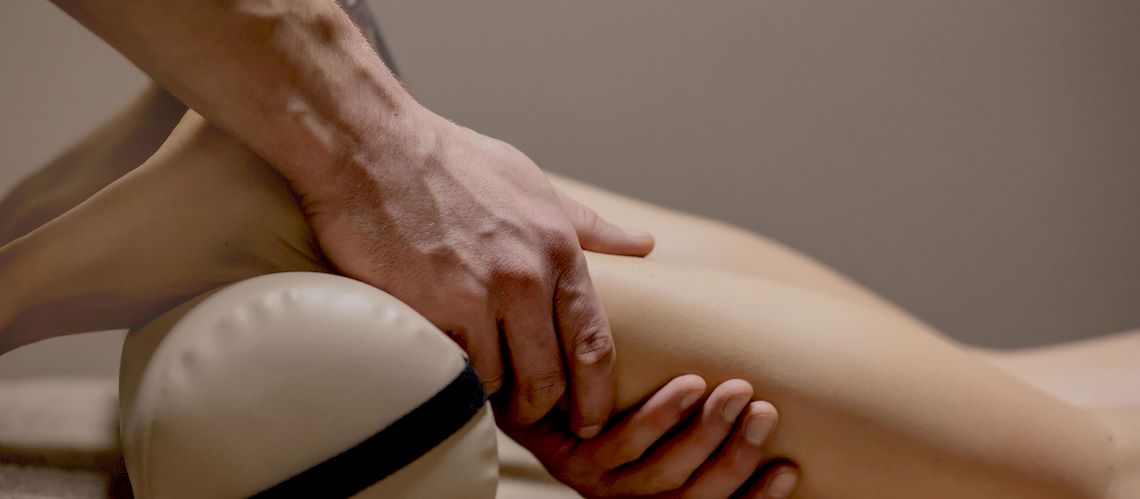
Bowen Therapy is a holistic approach to healing that involves gentle, precise movements on the body. This technique aims to stimulate the body’s innate healing mechanisms, promoting pain relief and overall well-being. The gentle, non-invasive nature of Bowen Therapy makes it a popular choice for individuals seeking alternative or complementary treatments for various conditions.1Marr, C., Baker, J. S., Lambon, N., & Perry, J. (2010). The effects of the Bowen Technique on hamstring flexibility over time: A randomised controlled trial. Journal of Bodywork and Movement Therapies, 14(3), 281-290.
Definition
Bowen Therapy, also known as the Bowen Technique, is a form of bodywork that involves rolling movements over muscles, tendons, and fascia. These movements are designed to prompt the body to reset, repair, and balance itself. The technique is grounded in the concept that the body has an intrinsic ability to heal itself, and the role of Bowen Therapy is to facilitate this natural process.2Olsen, D. (2014). Bowen Therapy: Unlocking the Healing Power of the Body. North Atlantic Books.
History and Origins
Developed by Tom Bowen in Australia during the 1950s, Bowen Therapy has gained recognition worldwide for its effectiveness in treating a variety of conditions. Tom Bowen’s approach was influenced by his keen observations of how the body naturally responds to gentle stimulation. Although Bowen had no formal medical training, his techniques were derived from his understanding of the body’s structure and his desire to provide relief to his clients.3Olsen, D. (2014). Bowen Therapy: Unlocking the Healing Power of the Body. North Atlantic Books. By the time of his death in 1982, Bowen had treated thousands of patients, and his methods were being taught and practiced globally.4Wilks, J. (2003). The Bowen Technique: The Inside Story. Healing Arts Press.
Principles and Concepts
- Holistic Approach: Bowen Therapy treats the body as an interconnected whole, rather than focusing on isolated symptoms. The technique is based on the belief that by addressing the body’s overall balance and alignment, it can effectively heal from various ailments.5Marr, C., Baker, J. S., Lambon, N., & Perry, J. (2010). The effects of the Bowen Technique on hamstring flexibility over time: A randomised controlled trial. Journal of Bodywork and Movement Therapies, 14(3), 281-290.
- Gentle Movements: The therapy uses light, rolling movements that are non-invasive and can be performed through light clothing. These movements are applied to specific points on the body, which are thought to trigger a healing response.6Olsen, D. (2014). Bowen Therapy: Unlocking the Healing Power of the Body. North Atlantic Books.
- Rest Periods: Sessions include pauses to allow the body to integrate the effects of the movements and initiate healing processes. These rest periods are crucial as they provide the body time to respond to the treatment, which is believed to enhance the overall effectiveness of the therapy.7Wilks, J. (2003). The Bowen Technique: The Inside Story. Healing Arts Press.
Benefits
Bowen Therapy offers numerous health benefits, supported by both anecdotal evidence and some emerging scientific studies:
- Relief from Chronic and Acute Pain: Bowen Therapy has been reported to be effective in reducing pain, particularly in cases of musculoskeletal issues. Patients with conditions such as back pain, neck pain, and shoulder pain have experienced significant relief.8Marr, C., Baker, J. S., Lambon, N., & Perry, J. (2010). The effects of the Bowen Technique on hamstring flexibility over time: A randomised controlled trial. Journal of Bodywork and Movement Therapies, 14(3), 281-290.
- Enhanced Recovery from Injuries: The technique is often used to promote faster recovery from injuries, including sports-related injuries. The gentle nature of Bowen Therapy makes it suitable for individuals of all ages and physical conditions.9Olsen, D. (2014). Bowen Therapy: Unlocking the Healing Power of the Body. North Atlantic Books.
- Improved Posture and Alignment: By addressing imbalances in the body, Bowen Therapy can help improve posture and alignment, which are critical for overall physical health.10Wilks, J. (2003). The Bowen Technique: The Inside Story. Healing Arts Press.
- Reduction in Stress and Anxiety: Bowen Therapy’s relaxing effect on the nervous system can help reduce stress and anxiety, contributing to an overall sense of well-being.11Marr, C., Baker, J. S., Lambon, N., & Perry, J. (2010). The effects of the Bowen Technique on hamstring flexibility over time: A randomised controlled trial. Journal of Bodywork and Movement Therapies, 14(3), 281-290.
- Increased Overall Vitality and Well-being: Regular sessions of Bowen Therapy have been associated with increased vitality, improved sleep, and enhanced quality of life, particularly for individuals with chronic conditions.12Wilks, J. (2003). The Bowen Technique: The Inside Story. Healing Arts Press.
Applications
Bowen Therapy can be used to address a variety of health issues, including:
- Musculoskeletal Pain (Back, Neck, Shoulders): This is one of the most common applications of Bowen Therapy, with many patients reporting relief from chronic pain conditions.13Marr, C., Baker, J. S., Lambon, N., & Perry, J. (2010). The effects of the Bowen Technique on hamstring flexibility over time: A randomised controlled trial. Journal of Bodywork and Movement Therapies, 14(3), 281-290.
- Sports Injuries: Athletes often use Bowen Therapy to speed up recovery from injuries and to enhance performance by maintaining optimal physical condition.14Olsen, D. (2014). Bowen Therapy: Unlocking the Healing Power of the Body. North Atlantic Books.
- Headaches and Migraines: Some studies suggest that Bowen Therapy can be effective in reducing the frequency and severity of headaches and migraines.15Wilks, J. (2003). The Bowen Technique: The Inside Story. Healing Arts Press.
- Digestive Issues: Bowen Therapy has been reported to help with digestive problems, likely due to its effect on the autonomic nervous system, which regulates digestion.16Olsen, D. (2014). Bowen Therapy: Unlocking the Healing Power of the Body. North Atlantic Books.
- Respiratory Problems: Bowen Therapy has also been used to alleviate respiratory issues, such as asthma and bronchitis, by promoting relaxation and improving breathing patterns.17Marr, C., Baker, J. S., Lambon, N., & Perry, J. (2010). The effects of the Bowen Technique on hamstring flexibility over time: A randomised controlled trial. Journal of Bodywork and Movement Therapies, 14(3), 281-290.
Scientific Evidence
While more rigorous scientific research is needed, existing studies and clinical observations provide some support for the efficacy of Bowen Therapy. For example, a study published in the Journal of Bodywork and Movement Therapies reported positive outcomes in pain reduction and improved function for patients with musculoskeletal conditions.18Marr, C., Baker, J. S., Lambon, N., & Perry, J. (2010). The effects of the Bowen Technique on hamstring flexibility over time: A randomised controlled trial. Journal of Bodywork and Movement Therapies, 14(3), 281-290. Additionally, case studies and patient testimonials suggest that Bowen Therapy can be an effective complementary treatment for a range of health issues.19Wilks, J. (2003). The Bowen Technique: The Inside Story. Healing Arts Press.
How to Get Started
- Find a Practitioner: Locate a certified Bowen Therapy practitioner through professional associations such as the Bowen Therapy Academy of Australia or other recognized bodies. Certification ensures that the practitioner is trained in the proper techniques and ethical standards.20Olsen, D. (2014). Bowen Therapy: Unlocking the Healing Power of the Body. North Atlantic Books.
- Initial Assessment: Discuss your health concerns and goals with the practitioner. The initial assessment helps to tailor the therapy to your specific needs, ensuring that you receive the most appropriate care.21Wilks, J. (2003). The Bowen Technique: The Inside Story. Healing Arts Press.
- Sessions: Typically, sessions last about an hour and are spaced a week apart to allow the body to respond and heal. The frequency and number of sessions will vary depending on the individual’s condition and response to the therapy.22Olsen, D. (2014). Bowen Therapy: Unlocking the Healing Power of the Body. North Atlantic Books.
- Follow-Up: Regular follow-up sessions can help maintain the benefits and address any recurring issues. Ongoing assessment and adjustment of the therapy plan are essential for long-term success.23Marr, C., Baker, J. S., Lambon, N., & Perry, J. (2010). The effects of the Bowen Technique on hamstring flexibility over time: A randomised controlled trial. Journal of Bodywork and Movement Therapies, 14(3), 281-290.
Free Starter Kit
Get the Atlas Starter Kit
Three fast-acting tools to boost focus, energy, and discipline in the next 72 hours.
Case Studies or Testimonials
Many individuals have experienced significant improvements in their health through Bowen Therapy. For example, athletes have reported faster recovery times and enhanced performance, while chronic pain sufferers have found long-term relief and improved quality of life. Case studies often highlight the therapy’s effectiveness in treating conditions that have not responded well to conventional treatments.24Wilks, J. (2003). The Bowen Technique: The Inside Story. Healing Arts Press.
Conclusion
Bowen Therapy is a gentle, effective treatment option for a wide range of health issues. By stimulating the body’s natural healing processes, it provides a holistic approach to achieving and maintaining physical well-being. As research continues to explore its mechanisms and efficacy, Bowen Therapy remains a valuable tool for those seeking an alternative or complementary approach to health care.
Free Starter Kit
Get the Atlas Starter Kit