


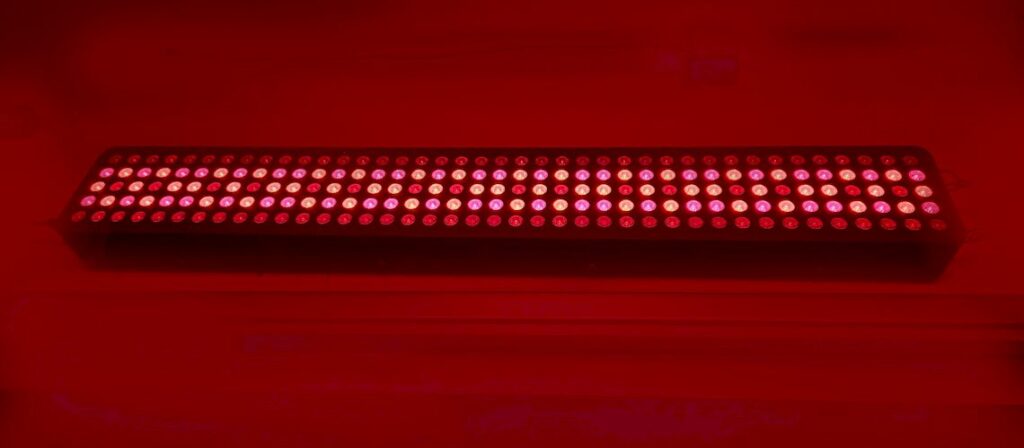
Within the CORE Compass Framework, infrared light therapy (ILT) emerges as a pivotal tool for achieving Operational and Physical Vitality. This therapy, grounded in robust scientific principles, supports overall health and enhances physical performance, making it an essential component of a balanced and fulfilling life. ILT operates on the principle of photobiomodulation, where infrared wavelengths penetrate deep into tissues, stimulating cellular processes that promote healing, reduce pain, and improve circulation (Hamblin, 2017).
Application in the CORE Compass
Operational and Physical Vitality
ILT directly contributes to Operational and Physical Vitality by enhancing bodily functions essential for maintaining optimal health. The therapy improves circulation, reduces inflammation, and accelerates tissue repair, making it a valuable intervention for sustaining physical vitality (Chung et al., 2012). These benefits are particularly advantageous for individuals engaged in demanding physical activities, as they enable faster recovery, reduce the risk of injury, and support long-term physical performance. ILT’s ability to boost cellular energy through enhanced ATP production and reduce oxidative stress further underscores its role in maintaining energy levels and physical resilience.
Curiosity and Cognitive Growth
Incorporating ILT into the CORE Compass Framework fosters intellectual curiosity by encouraging individuals to explore its scientific mechanisms. By learning about concepts such as photobiomodulation, mitochondrial function, and ATP production, individuals can deepen their understanding of the body’s healing capabilities and the transformative role of light in cellular health. While ILT does not directly enhance cognitive function, engaging with its scientific basis promotes intellectual engagement and drives further exploration into health sciences (Hamblin & Demidova, 2006). This process can inspire curiosity about broader wellness strategies and the interplay of science and health.
Resilience and Emotional Equilibrium
By alleviating physical pain and discomfort, ILT significantly contributes to Resilience and Emotional Equilibrium. Chronic pain is often linked to emotional distress, anxiety, and a diminished quality of life (Chow et al., 2009). Research shows that ILT effectively reduces pain in conditions such as fibromyalgia and lower back pain, which can subsequently improve emotional well-being and resilience. The relief provided by ILT enables individuals to participate more fully in daily life, fostering a sense of balance, stability, and improved emotional health.
Benefits within the CORE Compass
The integration of ILT within the CORE Compass Framework offers multiple benefits across its dimensions:
- Enhanced Physical Health and Vitality: ILT improves blood circulation, reduces inflammation, and promotes tissue repair. These effects support overall physical vitality, which is essential for maintaining an active, healthy lifestyle and achieving the CORE Compass goal of Operational and Physical Vitality (Hamblin, 2017).
- Reduced Pain and Inflammation: Chronic conditions such as osteoarthritis and lower back pain often cause significant discomfort and mobility issues. ILT has been shown to reduce pain and inflammation by modulating inflammatory responses and promoting cellular repair, offering a non-invasive and effective option for pain management (Chow et al., 2009; Baroni et al., 2010).
- Improved Muscle Recovery and Performance: Athletes and physically active individuals particularly benefit from ILT’s ability to enhance muscle recovery and performance. Research demonstrates that ILT can reduce muscle soreness after intense exercise and accelerate recovery times, enabling individuals to sustain peak physical performance (Leal-Junior et al., 2013).
- Increased Overall Well-Being: The cumulative effects of reduced pain, faster recovery, and improved physical health significantly enhance overall well-being. By alleviating physical discomfort and supporting vitality, ILT aligns with the CORE Compass’s mission to promote holistic wellness and a fulfilling lifestyle. While its broader psychological effects require further research, ILT’s role in physical health remains central to its contributions to wellness (Chow et al., 2009).
How to Integrate Infrared Light Therapy in CORE Compass
Education
Begin by educating yourself about the benefits and mechanisms of ILT. Understanding how infrared light interacts with cellular processes, such as enhancing mitochondrial function and reducing oxidative stress, can empower you to make informed decisions about incorporating this therapy into your wellness routine. Sources like Hamblin (2017) provide comprehensive insights into the science behind ILT, making them valuable tools for self-directed learning.
Implementation
Incorporate ILT sessions into your routine to support physical health and overall vitality. Regular use, as recommended in the literature, typically involves daily sessions lasting 10–20 minutes. Consistent application is crucial to achieving desired therapeutic outcomes, whether for pain management, recovery enhancement, or general wellness (Chung et al., 2012). Choose devices that emit light in the appropriate therapeutic wavelengths (700–1000 nm) to ensure efficacy for your specific goals.
Monitoring
Track your progress and adjust usage as needed to optimize benefits. Monitoring changes in pain levels, recovery times, and overall well-being allows you to evaluate the effectiveness of ILT and tailor its application to your specific needs. This iterative approach ensures that ILT remains a dynamic and effective tool within your CORE Compass wellness strategy, empowering you to meet your health goals (Hamblin, 2017).
Conclusion
Infrared light therapy is a valuable tool within the CORE Compass Framework for achieving and maintaining physical vitality. By integrating this scientifically backed therapy into your wellness routine, you can enhance your health and overall quality of life. ILT’s ability to reduce pain, improve recovery, and boost physical vitality makes it a cornerstone of holistic wellness. This therapy aligns with the CORE Compass’s goals of fostering a balanced, vibrant, and fulfilling life, empowering individuals to achieve optimal physical, emotional, and cognitive well-being.
References
- Baroni, B.M., Leal Junior, E.C.P., De Marchi, T., Lopes, A.L., and Salvador, M. (2010) ‘Low-level laser therapy before eccentric exercise reduces muscle damage markers in humans’, European Journal of Applied Physiology, 110(4), pp. 789–796.
- Chow, R.T., Johnson, M.I., Lopes-Martins, R.A., and Bjordal, J.M. (2009) ‘Efficacy of low-level laser therapy in the management of neck pain: a systematic review and meta-analysis of randomised placebo or active-treatment controlled trials’, Database of Abstracts of Reviews of Effects (DARE): Quality-assessed Reviews [Internet]. Centre for Reviews and Dissemination (UK). Available at: https://www.ncbi.nlm.nih.gov/books/NBK78464/.
- Chung, H., Dai, T., Sharma, S.K., Huang, Y.-Y., Carroll, J.D., and Hamblin, M.R. (2012) ‘The nuts and bolts of low-level laser (light) therapy’, Annals of Biomedical Engineering, 40(2), pp. 516–533.
- Cotler, H.B., Chow, R.T., Hamblin, M.R., and Carroll, J. (2015) ‘The use of low-level laser therapy (LLLT) for musculoskeletal pain’, MOJ Orthopedics & Rheumatology, 2(5), p. 00068.
- Hamblin, M.R., and Demidova, T.N. (2006) ‘Mechanisms of low-level light therapy’, Proceedings of SPIE, 6140, pp. 1–12.
- Hamblin, M.R. (2016) ‘Shining light on the head: photobiomodulation for brain disorders’, BBA Clinical, 6, pp. 113–124.
- Hamblin, M.R. (2017) ‘Mechanisms and applications of the anti-inflammatory effects of photobiomodulation’, AIMS Biophysics, 4(3), pp. 337–361.
- Leal-Junior, E.C.P., Lopes-Martins, R.A., and Bjordal, J.M. (2015) ‘Effect of phototherapy (low-level laser therapy and light-emitting diode therapy) on exercise performance and markers of exercise recovery: a systematic review with meta-analysis’, Lasers in Medical Science, 30(2), pp. 925–939.
- McDonagh, A.F. (2001) ‘Phototherapy: From Ancient Egypt to the New Millennium’, Journal of Perinatology, 21(S1), pp. S7–S12.
- Posten, W., Wrone, D.A., Dover, J.S., Arndt, K.A., Silapunt, S., and Alam, M. (2005) ‘Low-level laser therapy for wound healing: mechanism and efficacy’, Dermatologic Surgery, 31(3), pp. 334–340.
- Ruh, A.C., Frade, M.A.C., Bagnato, V.S., and Kurachi, C. (2018) ‘Laser photobiomodulation in pressure ulcer healing of human diabetic patients: gene expression analysis of inflammatory biochemical markers’, Lasers in Medical Science, 33(1), pp. 165–171.
- Whelan, H.T., Smits, R.L., Buchmann, E.V., Whelan, N.T., Turner, S.G., Margolis, D.A., Cevenini, V., Stinson, H., Ignatius, R., Martin, T., and Cwiklinski, J. (2003) ‘Effect of NASA light-emitting diode irradiation on molecular changes for wound healing in diabetic mice’, Journal of Clinical Laser Medicine & Surgery, 21(2), pp. 67–74.

