


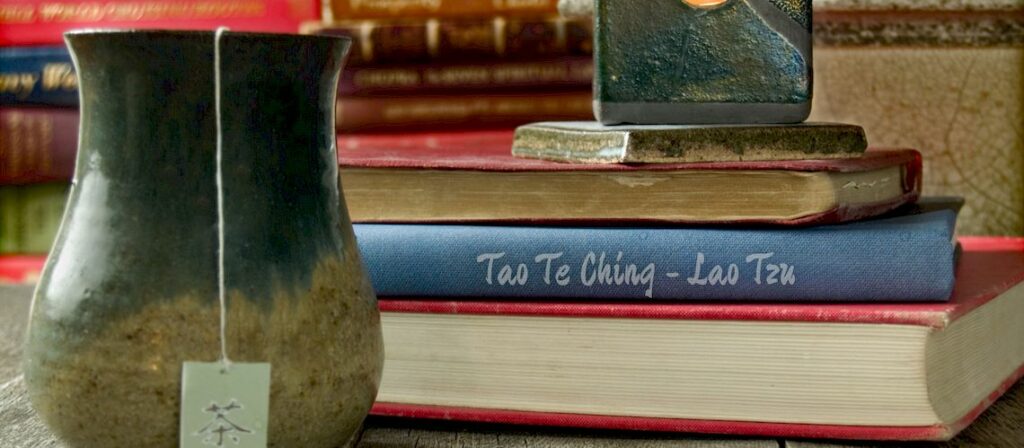
Lao Tzu’s “Tao Te Ching” is a foundational text in Taoist philosophy, offering profound insights into the nature of reality, the human condition, and the path to harmony and balance. Its teachings emphasize simplicity, humility, and living in accordance with the natural order, known as the Tao. Integrating the principles of the “Tao Te Ching” into the Self Matrix Framework provides a comprehensive approach to understanding and enhancing the spiritual, physical, and cognitive dimensions of the self.
Spiritual Self
Beliefs and Faith
Tao (The Way): The Tao represents the ultimate reality and the natural order of the universe. It is an ever-present force that guides all existence. Lao Tzu’s teachings encourage individuals to align their beliefs and faith with the Tao, embracing the interconnectedness of all things. This understanding fosters a deep sense of spiritual belonging and a harmonious worldview.
Application:
- Spiritual Practice: Engaging in meditation and mindfulness to connect with the Tao and recognize the unity of all existence.
- Faith Development: Cultivating a belief system that honors the principles of the Tao, such as humility, simplicity, and harmony.
Values and Morals
Wu Wei (Non-Action): Wu wei is the principle of effortless action, where actions are performed in alignment with the natural flow of the Tao. It emphasizes doing less and achieving more by avoiding forceful or unnatural efforts. This principle guides moral and ethical behavior, encouraging individuals to act with integrity and naturalness.
Application:
- Ethical Decision-Making: Making choices that align with the natural order and avoiding actions driven by ego or force.
- Moral Development: Embracing simplicity and humility in personal conduct, leading to more authentic and ethical interactions.
Connection and Community
Unity with Nature: The “Tao Te Ching” highlights the importance of living in harmony with nature and recognizing the interconnectedness of all life. This perspective fosters a sense of community and collective well-being, encouraging individuals to contribute positively to their environment and society.
Application:
- Community Involvement: Participating in activities that promote environmental sustainability and social harmony.
- Building Relationships: Cultivating relationships based on mutual respect and a shared connection to the natural world.
Inner Peace and Fulfillment
Simplicity and Contentment: Lao Tzu teaches that true contentment comes from simplicity and letting go of excessive desires. By focusing on what is essential and embracing a minimalist lifestyle, individuals can achieve inner peace and fulfillment.
Application:
- Mindful Living: Practicing mindfulness to appreciate the present moment and reduce the pursuit of material possessions.
- Contentment Practices: Engaging in activities that promote simplicity, such as decluttering, simplifying routines, and focusing on meaningful experiences.
Transcendence
Experiencing the Tao: Transcendence in the “Tao Te Ching” involves experiencing the Tao and recognizing the unity of all existence. This experience provides profound insights and a sense of awe, leading to spiritual growth and enlightenment.
Application:
- Meditation and Contemplation: Practicing meditation to connect with the Tao and experience moments of transcendence.
- Nature Immersion: Spending time in nature to feel the interconnectedness of all life and the presence of the Tao.
Subconscious Influences on Spirituality
Embracing Paradoxes: The “Tao Te Ching” often presents paradoxical ideas, such as “The soft overcomes the hard” and “The weak overcomes the strong.” These paradoxes encourage a deeper understanding beyond the conscious mind, fostering spiritual awakenings and insights from the subconscious.
Application:
- Reflective Practices: Engaging in reflective practices like journaling to explore and embrace the paradoxes in life.
- Dream Work: Using dreams and subconscious insights as a tool for spiritual growth and understanding.
Inner Peace and Healing
Natural Harmony: The “Tao Te Ching” emphasizes living in harmony with the natural world, promoting practices that align the mind, body, and spirit. Techniques such as meditation, Tai Chi, and Qigong, rooted in Taoist principles, contribute to holistic healing and well-being.
Application:
- Holistic Therapies: Incorporating holistic therapies that promote balance and harmony, such as acupuncture, herbal medicine, and energy healing.
- Mind-Body Practices: Engaging in mind-body practices that enhance the connection between physical health and spiritual well-being.
Physical Self
Health and Wellness
Harmony with Nature: The “Tao Te Ching” supports practices that align physical health with the rhythms of nature. This includes balanced nutrition, natural therapies, and a lifestyle that respects the body’s needs and the environment.
Application:
- Natural Diet: Adopting a diet that emphasizes natural, whole foods and aligns with the seasons.
- Environmental Harmony: Practicing sustainable living to support personal health and the health of the planet.
Body Awareness
Mind-Body Connection: Lao Tzu’s teachings underscore the importance of awareness and mindfulness, encouraging a deep connection with the body. This awareness fosters a healthier relationship with one’s physical self, promoting physical well-being.
Application:
- Mindfulness Practices: Incorporating mindfulness into daily activities to enhance body awareness and physical health.
- Body Scanning: Practicing body scanning techniques to increase awareness of physical sensations and promote relaxation.
Cognitive Self
Intellectual Abilities
Openness to Learning: The “Tao Te Ching” encourages an open and flexible mind, essential for intellectual growth. Embracing the unknown and being receptive to new ideas foster cognitive development.
Application:
- Lifelong Learning: Engaging in continuous learning and intellectual pursuits to expand knowledge and understanding.
- Curiosity: Cultivating curiosity and a willingness to explore new perspectives.
Emotional Intelligence
Serenity and Equanimity: Lao Tzu’s teachings on maintaining calmness and equanimity in the face of challenges contribute to emotional intelligence. These principles help individuals manage stress and emotions effectively, promoting psychological resilience.
Application:
- Emotional Regulation: Practicing techniques for emotional regulation, such as deep breathing, meditation, and reflective journaling.
- Empathy Development: Enhancing empathy by understanding and embracing the emotions of others.
Mental Health
Letting Go: The principle of letting go of desires and attachments can significantly enhance mental health. By reducing stress and anxiety, individuals can cultivate a more peaceful and balanced mind.
Application:
- Stress Management: Implementing stress management techniques that emphasize letting go and finding peace in the present moment.
- Mindful Detachment: Practicing mindful detachment to release negative thoughts and emotions.
Application in Modern Life
- Spiritual Practices: Incorporating Taoist principles into daily spiritual practices can lead to deeper faith and inner peace.
- Ethical Living: Applying the concept of wu wei to decision-making can lead to more ethical and harmonious actions.
- Holistic Health: Embracing the mind-body connection and living in harmony with nature promotes overall well-being.
- Emotional Balance: Practicing serenity and letting go supports emotional intelligence and mental health.
Conclusion
Lao Tzu’s “Tao Te Ching” offers timeless wisdom that aligns with the Self Matrix Framework. By integrating its principles into our spiritual, physical, and cognitive dimensions, we can achieve greater harmony, balance, and fulfillment. The teachings of the “Tao Te Ching” guide us towards a more connected, peaceful, and enlightened existence.
References
- Lao Tzu. (2013). Tao Te Ching. Translated by Stephen Mitchell. Harper Perennial Modern Classics.
- Ames, R. T., & Hall, D. L. (2003). Dao De Jing: A Philosophical Translation. Ballantine Books.
- Addiss, S., & Lombardo, S. (1993). Tao Te Ching. Hackett Publishing Company.
- Chan, W. (1963). The Way of Lao Tzu (Tao-te ching). Bobbs-Merrill.
- Kohn, L. (2008). Lao-tzu and the Tao-te-ching. State University of New York Press.

