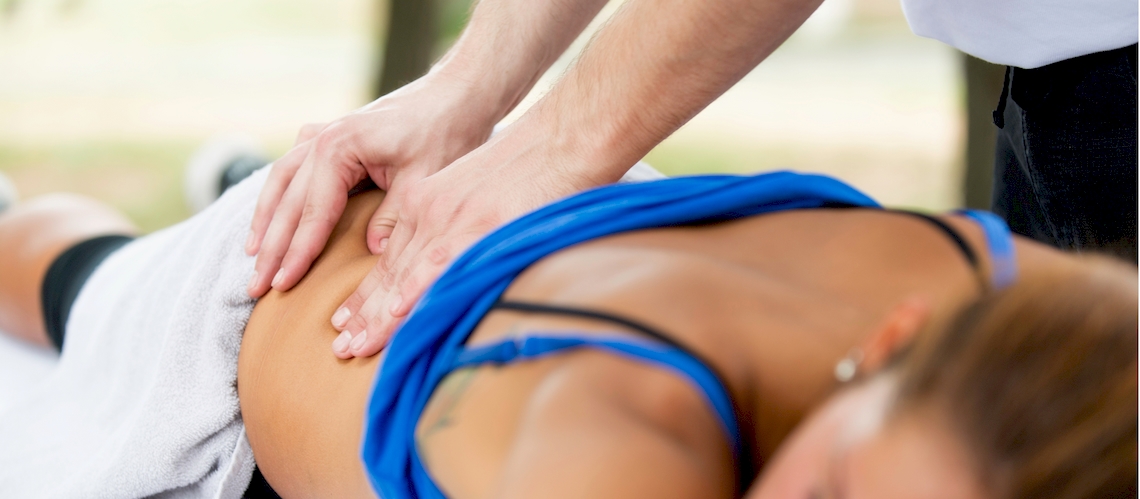
Massage therapy is a scientifically supported practice involving the manipulation of soft tissues to enhance physical and mental well-being. Recognized for its profound effects on stress reduction, pain alleviation, and improved physical function, massage therapy holds a pivotal role in holistic health care. Studies have shown its effectiveness in reducing cortisol levels, lowering blood pressure, and improving immune response, underscoring its diverse therapeutic benefits.1Field, T. (2014) Massage therapy research review. Complementary Therapies in Clinical Practice. [Online] 20 (4), 224–229.; Rapaport, M. H. et al. (2012) A preliminary study of the effects of repeated massage on hypothalamic-pituitary-adrenal and immune function in healthy individuals: a study of mechanisms of action and dosage. Journal of Alternative and Complementary Medicine (New York, N.Y.). [Online] 18 (8), 789–797.; Kaye, A. D. et al. (2008) The effect of deep-tissue massage therapy on blood pressure and heart rate. Journal of Alternative and Complementary Medicine (New York, N.Y.). [Online] 14 (2), 125–128.
Definition
Massage therapy encompasses a variety of techniques, including Swedish massage, deep tissue massage, and myofascial release, aimed at improving muscular function, alleviating pain, and promoting relaxation. These methods involve hands-on manipulation of muscles, ligaments, tendons, and fascia, tailored to individual therapeutic goals.2Weerapong, P. et al. (2005) The mechanisms of massage and effects on performance, muscle recovery and injury prevention. Sports Medicine (Auckland, N.Z.). [Online] 35 (3), 235–256.
History and Origins
Massage therapy has been practiced for thousands of years across diverse cultures. In ancient China, The Yellow Emperor’s Classic of Internal Medicine described massage as a cornerstone of medical treatment, emphasizing its role in restoring balance within the body.3Nei, H. T. et al. (1975) The Yellow Emperor’s Classic of Internal Medicine. 1st edition. University of California Press. [online]. Similarly, the ancient Greeks utilized massage to enhance athletic performance and recovery, with Hippocrates advocating its use for injuries and physical rehabilitation.4Weerapong, P. et al. (2005) The mechanisms of massage and effects on performance, muscle recovery and injury prevention. Sports Medicine (Auckland, N.Z.). [Online] 35 (3), 235–256. This historical foundation continues to influence modern therapeutic approaches.
Principles and Concepts
- Manual Manipulation: Massage involves applying pressure through various techniques to relieve tension and enhance tissue recovery. Studies demonstrate that manual manipulation improves blood flow, reduces muscle tension, and promotes range of motion.5Kaye, A. D. et al. (2008) The effect of deep-tissue massage therapy on blood pressure and heart rate. Journal of Alternative and Complementary Medicine (New York, N.Y.). [Online] 14 (2), 125–128.; MacDonald, G. Z. et al. (2013) An acute bout of self-myofascial release increases range of motion without a subsequent decrease in muscle activation or force. Journal of Strength and Conditioning Research. [Online] 27 (3), 812–821.
- Holistic Health: Beyond physical benefits, massage therapy addresses mental and emotional well-being. Research reveals significant reductions in anxiety and depression following regular massage therapy sessions, emphasizing its role in emotional health.6Rapaport, M. H. et al. (2016) Acute Swedish Massage Monotherapy Successfully Remediates Symptoms of Generalized Anxiety Disorder: A Proof-of-Concept, Randomized Controlled Study. The Journal of Clinical Psychiatry. [Online] 77 (7), e883-891.; Moyer, C. A. et al. (2004a) A meta-analysis of massage therapy research. Psychological Bulletin. [Online] 130 (1), 3–18.; Moyer, C. A. et al. (2004b) A meta-analysis of massage therapy research. Psychological Bulletin. [Online] 130 (1), 3–18.
- Individualized Treatment: Tailoring techniques to a client’s specific needs enhances therapeutic outcomes. Evidence supports the efficacy of customized massage interventions for chronic conditions like low back pain and fibromyalgia.7Cherkin, D. C. et al. (2011) A comparison of the effects of 2 types of massage and usual care on chronic low back pain: a randomized, controlled trial. Annals of Internal Medicine. [Online] 155 (1), 1–9.; Furlan, A. D. et al. (2015) Massage for low-back pain. The Cochrane Database of Systematic Reviews. [Online] 2015 (9), CD001929.
Benefits of Massage Therapy
- Pain Reduction: Massage therapy significantly alleviates chronic pain, including low back pain and fibromyalgia, with outcomes comparable to standard medical treatments.8Cherkin, D. C. et al. (2011) A comparison of the effects of 2 types of massage and usual care on chronic low back pain: a randomized, controlled trial. Annals of Internal Medicine. [Online] 155 (1), 1–9.; Furlan, A. D. et al. (2015) Massage for low-back pain. The Cochrane Database of Systematic Reviews. [Online] 2015 (9), CD001929.
- Improved Circulation and Recovery: Enhanced blood flow facilitates nutrient delivery and waste removal, accelerating recovery and reducing muscle soreness.9Weerapong, P. et al. (2005) The mechanisms of massage and effects on performance, muscle recovery and injury prevention. Sports Medicine (Auckland, N.Z.). [Online] 35 (3), 235–256.; MacDonald, G. Z. et al. (2013) An acute bout of self-myofascial release increases range of motion without a subsequent decrease in muscle activation or force. Journal of Strength and Conditioning Research. [Online] 27 (3), 812–821.
- Stress and Anxiety Relief: Reduced cortisol levels and increased serotonin and dopamine promote relaxation and reduce anxiety.10Field, T. (2014) Massage therapy research review. Complementary Therapies in Clinical Practice. [Online] 20 (4), 224–229.; Rapaport, M. H. et al. (2012) A preliminary study of the effects of repeated massage on hypothalamic-pituitary-adrenal and immune function in healthy individuals: a study of mechanisms of action and dosage. Journal of Alternative and Complementary Medicine (New York, N.Y.). [Online] 18 (8), 789–797.
- Enhanced Sleep Quality: Massage has been linked to better sleep by reducing stress and promoting relaxation, particularly in individuals with insomnia or high-stress levels.11Richards, K. C. et al. (2000) ‘Effects of massage in acute and critical care’, in Database of Abstracts of Reviews of Effects (DARE): Quality-assessed Reviews [Internet]. Centre for Reviews and Dissemination (UK).
- Increased Flexibility and Range of Motion: Myofascial release and other techniques improve joint mobility and prevent injuries, benefiting athletes and active individuals.12MacDonald, G. Z. et al. (2013) An acute bout of self-myofascial release increases range of motion without a subsequent decrease in muscle activation or force. Journal of Strength and Conditioning Research. [Online] 27 (3), 812–821.; Weerapong, P. et al. (2005) The mechanisms of massage and effects on performance, muscle recovery and injury prevention. Sports Medicine (Auckland, N.Z.). [Online] 35 (3), 235–256.
Applications of Massage Therapy
- Chronic Pain Management: Proven to reduce pain and improve mobility in conditions like osteoarthritis and fibromyalgia.13Furlan, A. D. et al. (2015) Massage for low-back pain. The Cochrane Database of Systematic Reviews. [Online] 2015 (9), CD001929.; Hernandez-Reif, M. et al. (2001) Lower back pain is reduced and range of motion increased after massage therapy. The International Journal of Neuroscience. [Online] 106 (3–4), 131–145.
- Sports Performance: Enhances recovery, prevents injuries, and optimizes performance for athletes.14Weerapong, P. et al. (2005) The mechanisms of massage and effects on performance, muscle recovery and injury prevention. Sports Medicine (Auckland, N.Z.). [Online] 35 (3), 235–256.
- Stress and Mental Health: Reduces symptoms of generalized anxiety disorder and promotes mental clarity.15Rapaport, M. H. et al. (2016) Acute Swedish Massage Monotherapy Successfully Remediates Symptoms of Generalized Anxiety Disorder: A Proof-of-Concept, Randomized Controlled Study. The Journal of Clinical Psychiatry. [Online] 77 (7), e883-891.; Moyer, C. A. et al. (2004a) A meta-analysis of massage therapy research. Psychological Bulletin. [Online] 130 (1), 3–18.; Moyer, C. A. et al. (2004b) A meta-analysis of massage therapy research. Psychological Bulletin. [Online] 130 (1), 3–18.
- Post-Surgical Recovery: Speeds healing and improves mobility by enhancing circulation and reducing inflammation.16McVicar, A. J. et al. (2007) Evaluation of anxiety, salivary cortisol and melatonin secretion following reflexology treatment: a pilot study in healthy individuals. Complementary Therapies in Clinical Practice. [Online] 13 (3), 137–145.
- Rehabilitation and Wellness: Supports recovery from trauma or surgery, offering a non-invasive option for managing pain and restoring function.17Cherkin, D. C. et al. (2011) A comparison of the effects of 2 types of massage and usual care on chronic low back pain: a randomized, controlled trial. Annals of Internal Medicine. [Online] 155 (1), 1–9.
Scientific Evidence
Massage therapy is supported by robust scientific findings:
- Pain Management: Studies confirm that both Swedish and structural massage are effective in reducing chronic low back pain, with effects lasting up to six months.18Cherkin, D. C. et al. (2011) A comparison of the effects of 2 types of massage and usual care on chronic low back pain: a randomized, controlled trial. Annals of Internal Medicine. [Online] 155 (1), 1–9.
- Stress Reduction: Regular massage reduces cortisol and anxiety levels, while boosting immune function.19Field, T. (2014) Massage therapy research review. Complementary Therapies in Clinical Practice. [Online] 20 (4), 224–229.; Rapaport, M. H. et al. (2012) A preliminary study of the effects of repeated massage on hypothalamic-pituitary-adrenal and immune function in healthy individuals: a study of mechanisms of action and dosage. Journal of Alternative and Complementary Medicine (New York, N.Y.). [Online] 18 (8), 789–797.
- Muscle Recovery: An acute bout of massage therapy significantly improves range of motion without compromising muscle strength or function.20MacDonald, G. Z. et al. (2013) An acute bout of self-myofascial release increases range of motion without a subsequent decrease in muscle activation or force. Journal of Strength and Conditioning Research. [Online] 27 (3), 812–821.
- Cardiovascular Benefits: Deep-tissue massage has been shown to lower blood pressure and heart rate, contributing to cardiovascular health.21Kaye, A. D. et al. (2008) The effect of deep-tissue massage therapy on blood pressure and heart rate. Journal of Alternative and Complementary Medicine (New York, N.Y.). [Online] 14 (2), 125–128.
How to Get Started
- Consult a Licensed Therapist: Choose a certified professional to discuss your specific goals, such as pain relief, relaxation, or performance enhancement.
- Determine Frequency: Establish a regular schedule, tailored to your needs. Chronic pain sufferers may benefit from weekly sessions, while athletes may require more frequent treatments during peak training periods.
- Select the Right Modality: Match the technique to your objectives. For example:
- Swedish massage for relaxation.
- Deep tissue for pain relief.
- Sports massage for recovery and performance.22Carroll (2018).; Weerapong, P. et al. (2005) The mechanisms of massage and effects on performance, muscle recovery and injury prevention. Sports Medicine (Auckland, N.Z.). [Online] 35 (3), 235–256.
- Incorporate Self-Care: Enhance the benefits of massage by staying hydrated, stretching, and maintaining a balanced lifestyle.
Free Starter Kit
Get the Atlas Starter Kit
Three fast-acting tools to boost focus, energy, and discipline in the next 72 hours.
Case Studies and Testimonials
- Athletes: Studies show that athletes using regular massage therapy experience faster recovery and reduced injury rates, improving overall performance.23Weerapong, P. et al. (2005) The mechanisms of massage and effects on performance, muscle recovery and injury prevention. Sports Medicine (Auckland, N.Z.). [Online] 35 (3), 235–256.
- Chronic Pain Patients: Individuals with fibromyalgia and chronic low back pain report significant pain relief and improved quality of life with consistent massage therapy.24Furlan, A. D. et al. (2015) Massage for low-back pain. The Cochrane Database of Systematic Reviews. [Online] 2015 (9), CD001929.; Hernandez-Reif, M. et al. (2001) Lower back pain is reduced and range of motion increased after massage therapy. The International Journal of Neuroscience. [Online] 106 (3–4), 131–145.
- Stress Management: A clinical trial found that Swedish massage effectively reduced symptoms of generalized anxiety disorder, highlighting its mental health benefits.25Rapaport, M. H. et al. (2016) Acute Swedish Massage Monotherapy Successfully Remediates Symptoms of Generalized Anxiety Disorder: A Proof-of-Concept, Randomized Controlled Study. The Journal of Clinical Psychiatry. [Online] 77 (7), e883-891.
Conclusion
Massage therapy is a versatile and effective approach to enhancing physical and emotional health. By integrating massage into your wellness routine, you can achieve profound benefits for relaxation, pain relief, and overall vitality. Grounded in both ancient traditions and modern science, massage therapy remains an essential component of holistic health and peak performance.
Free Starter Kit
Get the Atlas Starter Kit