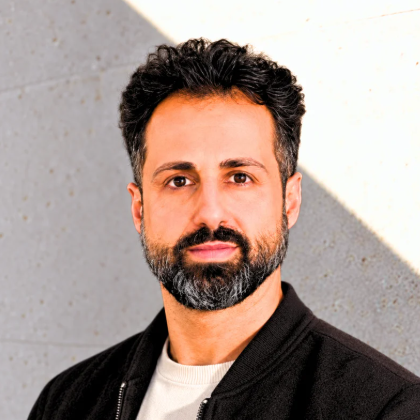

Viktor Frankl, a distinguished psychiatrist, and Holocaust survivor developed Logotherapy, an existential form of psychotherapy that emphasizes the pursuit of meaning as the primary motivational force in human life. Central to his approach is the belief that life holds meaning under all circumstances, even the most challenging ones. Frankl’s seminal work, Man’s Search for Meaning, outlines his theories and provides profound insights into the human condition. Integrating Logotherapy within the Self Matrix Framework offers a comprehensive approach to enhancing the spiritual, physical, and cognitive dimensions of the self, allowing for a deeper understanding and application of meaning in everyday life.
Spiritual Self
Values and Morals
Search for Meaning
At the heart of Logotherapy is the quest for meaning. Frankl posited that life’s meaning can be discovered in three primary ways: through creating a work or accomplishing a task, experiencing something or encountering someone, and by the attitude we take toward unavoidable suffering.1Frankl, V. E. (1959). Man’s Search for Meaning. Beacon Press. These pathways to meaning are fundamental in shaping an individual’s values and moral framework.
Application:
- Purpose-Driven Goals: Set personal and professional goals that align with your core values, fostering a sense of purpose.2Frankl, V. E. (1959). Man’s Search for Meaning. Beacon Press. For example, pursuing a career contributing to societal well-being can lead to deeper satisfaction.
- Existential Reflection: Engage in regular self-reflection to explore and affirm your values, morals, and the meaning behind your actions. Journaling and meditative contemplation are effective techniques for deepening this understanding.3Wong, P. T. P. (2012). The Human Quest for Meaning: Theories, Research, and Applications. Routledge.
Key Insight from Man’s Search for Meaning:
Frankl emphasizes that life retains its meaning even in the face of suffering.4Frankl, V. E. (1959). Man’s Search for Meaning. Beacon Press. This perspective fosters resilience and encourages individuals to live authentically and with integrity.
Inner Peace and Fulfillment
Attitude Toward Suffering
Logotherapy teaches that suffering is an inevitable part of life but can be transformed into a source of meaning.5Frankl, V. E. (1959). Man’s Search for Meaning. Beacon Press. By adopting a courageous and purposeful attitude toward suffering, individuals can transcend hardship and achieve inner peace.
Application:
- Mindfulness Practices: Mindfulness and meditation cultivate a balanced and accepting attitude toward life’s challenges.6Batthyany, A., & Russo-Netzer, P. (Eds.). (2014). Meaning in Positive and Existential Psychology. Springer. These practices help individuals appreciate the inherent value in each moment, even during difficult times.
- Cognitive Reframing: Shift your perspective to view suffering as an opportunity for growth.7Frankl, V. E. (1988). The Will to Meaning: Foundations and Applications of Logotherapy. Meridian. This involves consciously finding meaning in challenging situations and framing hardship as a path to personal development.
Key Insight from Man’s Search for Meaning:
Frankl’s experiences in concentration camps demonstrated that maintaining a positive attitude towards unavoidable suffering fosters inner strength and peace.8Frankl, V. E. (1959). Man’s Search for Meaning. Beacon Press.
Transcendence
Experiences of Meaning
Logotherapy encourages individuals to transcend their immediate concerns and connect with a higher purpose. Acts of creativity, love, and altruism foster spiritual fulfillment and help individuals discover meaning beyond themselves.9Frankl, V. E. (1988). The Will to Meaning: Foundations and Applications of Logotherapy. Meridian.
Application:
- Creative Expression: Writing, art, and music offer ways to explore existential questions and express deeper meanings.10Lantz, J. (1998). Logotherapy in Action. Jason Aronson. These pursuits connect individuals to their inner selves and help convey their unique perspectives on life’s purpose.
- Service to Others: Community service and altruistic activities provide a sense of interconnectedness and fulfillment.11Batthyany, A., & Russo-Netzer, P. (Eds.). (2014). Meaning in Positive and Existential Psychology. Springer.
Key Insight from Man’s Search for Meaning:
Frankl highlights that meaning can be found through self-transcendence, which involves serving others and embracing a larger purpose.12Frankl, V. E. (1959). Man’s Search for Meaning. Beacon Press.
Physical Self
Health and Wellness
Holistic Health
Logotherapy’s emphasis on meaning and purpose contributes to overall well-being. A life guided by purpose positively influences physical health by reducing stress and promoting healthy behaviors.13Wong, P. T. P. (2012). The Human Quest for Meaning: Theories, Research, and Applications. Routledge.
Application:
- Purpose-Driven Health: Adopt health and wellness practices that align with your sense of purpose, such as mindful eating, regular exercise, and adequate rest.14Frankl, V. E. (1988). The Will to Meaning: Foundations and Applications of Logotherapy. Meridian. Viewing these practices as part of a meaningful life reinforces sustained healthy behaviors.
- Stress Management: Practices like deep breathing and yoga, aligned with Logotherapy principles, aid in managing stress by grounding individuals in their sense of purpose.15Batthyany, A., & Russo-Netzer, P. (Eds.). (2014). Meaning in Positive and Existential Psychology. Springer.
Key Insight from Man’s Search for Meaning:
Frankl’s philosophy suggests that a strong sense of purpose enhances resilience and reduces the physiological impacts of stress.16Frankl, V. E. (1959). Man’s Search for Meaning. Beacon Press.
Cognitive Self
Self-Concept
Existential Self-Understanding
Logotherapy emphasizes the importance of understanding oneself within the context of one’s values and life’s meaning. This self-understanding is crucial for personal growth and the formation of a resilient identity.17Frankl, V. E. (1988). The Will to Meaning: Foundations and Applications of Logotherapy. Meridian.
Application:
- Reflective Practices: Journaling and introspection deepen self-understanding and clarify purpose.18Wong, P. T. P. (2012). The Human Quest for Meaning: Theories, Research, and Applications. Routledge. These practices help align actions with core beliefs, fostering authenticity.
- Identity Formation: Explore and affirm your identity by reflecting on personal experiences and values.19Lantz, J. (1998). Logotherapy in Action. Jason Aronson. This process builds a cohesive self-concept and enhances resilience.
Key Insight from Man’s Search for Meaning:
Frankl asserts that self-understanding and the search for meaning are intertwined. Reflecting on one’s purpose strengthens identity and fosters intentional living.20Frankl, V. E. (1959). Man’s Search for Meaning. Beacon Press.
Mental Health
Meaning and Mental Health
Logotherapy posits that finding meaning in life is essential for mental health. A sense of purpose mitigates feelings of despair and promotes psychological resilience.21Frankl, V. E. (1959). Man’s Search for Meaning. Beacon Press.
Application:
- Purpose-Focused Therapy: Therapists can use Logotherapy principles to help clients explore and affirm their life’s purpose.22Frankl, V. E. (1988). The Will to Meaning: Foundations and Applications of Logotherapy. Meridian. This approach strengthens resilience and well-being.
- Resilience Building: Focusing on meaningful goals and maintaining a positive outlook enables individuals to navigate life’s challenges with strength and purpose.23Wong, P. T. P. (2012). The Human Quest for Meaning: Theories, Research, and Applications. Routledge.
Key Insight from Man’s Search for Meaning:
Frankl underscores the therapeutic power of meaning in combating mental health issues and fostering resilience.24Frankl, V. E. (1959). Man’s Search for Meaning. Beacon Press.
Integration with Modern Insights
Logotherapy and Positive Psychology
Logotherapy aligns with positive psychology’s focus on meaning, purpose, and strengths.25Batthyany, A., & Russo-Netzer, P. (Eds.). (2014). Meaning in Positive and Existential Psychology. Springer.
Application:
- Strengths-Based Approach: Identify and leverage personal strengths to achieve meaningful goals. This aligns with both Logotherapy and positive psychology principles.26Wong, P. T. P. (2012). The Human Quest for Meaning: Theories, Research, and Applications. Routledge.
- Gratitude Practices: Reflecting on and expressing gratitude reinforces a sense of meaning and appreciation for life.27Batthyany, A., & Russo-Netzer, P. (Eds.). (2014). Meaning in Positive and Existential Psychology. Springer.
Key Insight from Positive Psychology:
Research supports Frankl’s assertion that meaning and purpose are crucial for well-being. Techniques like strengths identification and gratitude journaling enhance fulfillment.28Wong, P. T. P. (2012). The Human Quest for Meaning: Theories, Research, and Applications. Routledge.
Practical Applications in Modern Life
- Personal Growth: Engage in continuous self-reflection and goal-setting to align actions with life’s meaning.
- Holistic Wellness: Adopt health practices that support both physical and mental well-being.
- Resilience and Coping: Use Logotherapy principles to find meaning in challenges and grow through adversity.
- Community Engagement: Participate in service to others to transcend personal concerns and contribute to the greater good.
Free Starter Kit
Get the Atlas Starter Kit
Three fast-acting tools to boost focus, energy, and discipline in the next 72 hours.
Conclusion
Viktor Frankl’s Logotherapy offers profound insights into the search for meaning and its impact on the spiritual, physical, and cognitive dimensions of the self. By integrating these principles into the Self Matrix Framework, individuals can achieve greater fulfillment, resilience, and overall well-being. The pursuit of meaning guides us toward a deeper understanding of ourselves and our place in the world, fostering a life of purpose and authenticity.